

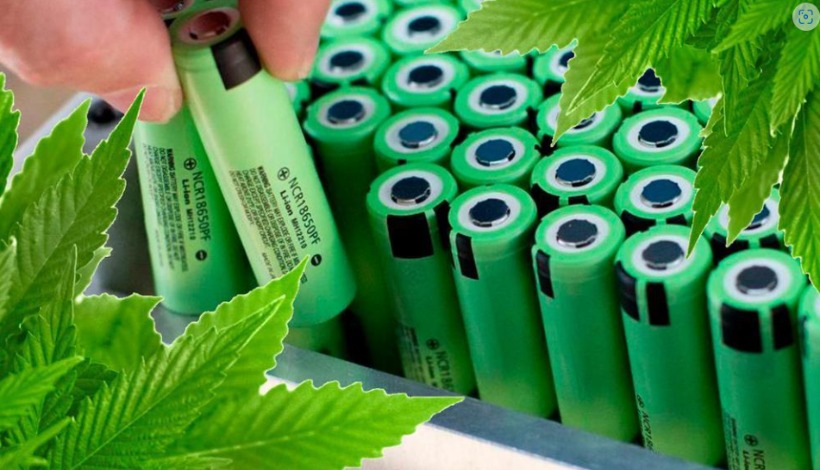
Hemp can be applied in the energy industry in a number of ways, and there are several associated benefits. Some of the ways in which hemp can be used in this sector and what its advantages are are detailed below:
Uses of hemp in the energy industry:
Biofuels: Hemp seeds and biomass (the remains of the plant) can be used to produce biofuels, such as bioethanol and biodiesel. These biofuels are cleaner and more sustainable alternatives compared to fossil fuels.
Biomass for energy generation: Hemp stems and leaves can be used as raw material for energy generation through combustion or gasification technologies. Biomass can be burned to produce heat or electricity.
Materials for the construction of wind turbines: Hemp fibers can be used in the manufacture of composite materials that are used for the construction of wind turbine blades. These materials are light, strong and help improve the efficiency of the turbines.
Bioplastics: Hemp can be used to produce bioplastics, which are more sustainable than conventional plastics, many of which are petroleum-based. These bioplastics can be used in a variety of applications, thereby reducing dependence on fossil fuels and decreasing carbon emissions.
Benefits of hemp in the energy industry:
Sustainability: Energy production from hemp is more sustainable compared to fossil fuels. Hemp can be grown sustainably, minimizing resource use and avoiding environmental degradation.
Low environmental impact: Using hemp for biofuels and biomass generates fewer greenhouse gas emissions compared to traditional fuels, contributing to the fight against climate change.
Closed life cycle: Hemp can be grown and processed so that the energy production and use cycle closes the sustainability chain, where waste can be reused in the next crop.
Diversification of renewable energy: Introducing hemp into energy generation helps to diversify renewable energy sources, which can increase resilience and energy security.
Utilization of waste: The part of the plant that is not used for oil or seed production can be used for energy production, which maximizes the use of the crop.
Promotion of the local economy: The production of hemp for energy can promote the development of local economies, creating jobs in agriculture, processing and distribution of biofuels.
Reduction in long-term costs: Although the initial investment in infrastructure for biofuels can be high, in the long term, the use of hemp for energy can result in savings and income for the communities that produce it.
Hemp presents a promising alternative in the energy sector, contributing to sustainability and providing ecological and economic solutions for the future.