


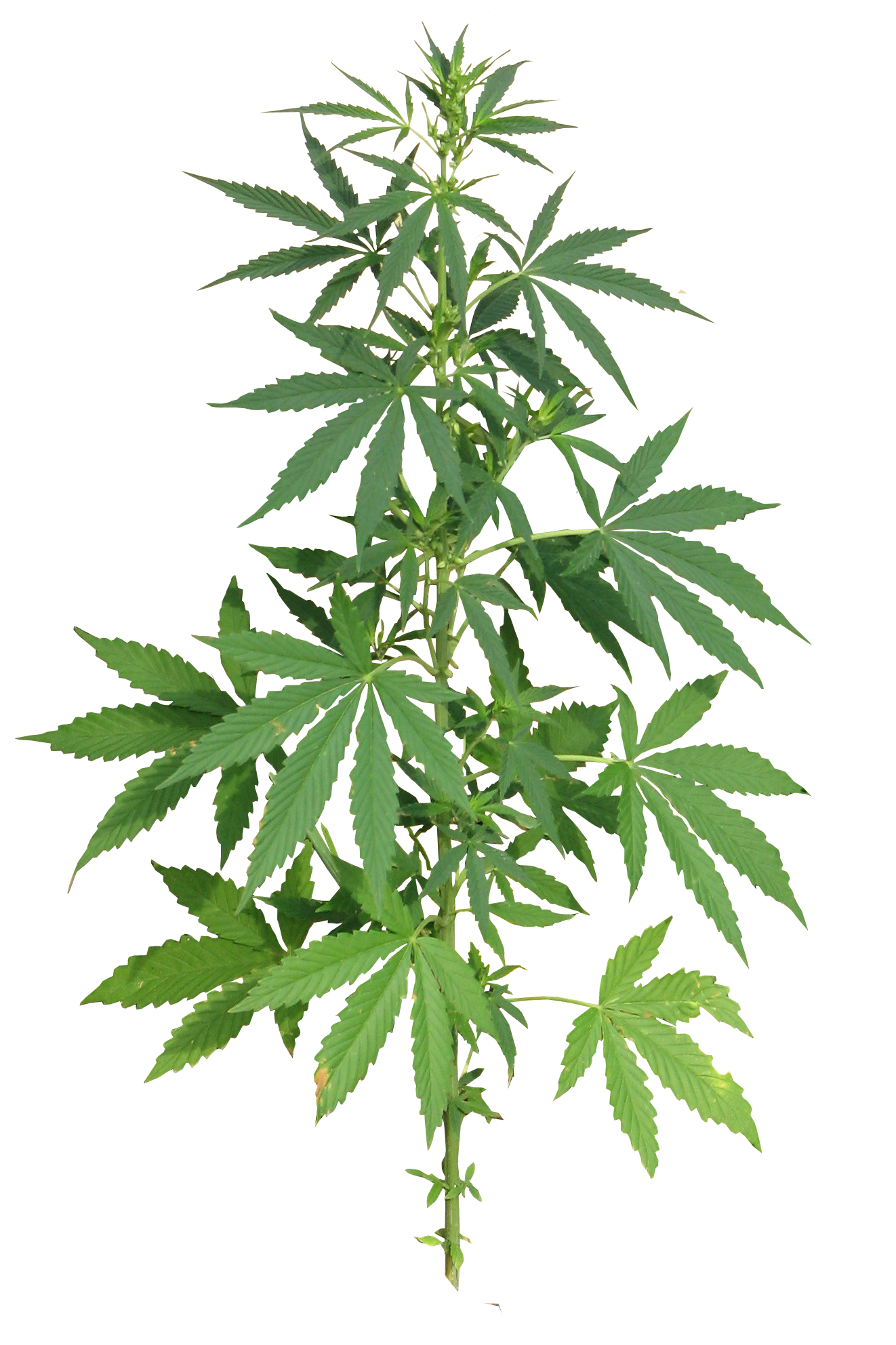
Hemp Plant
Let's get to know Hemp
Hemp, scientifically known as Cannabis sativa, is a fast-growing plant that has been cultivated for millennia due to its versatility and multiple applications. Here is an overview of this fascinating plant:
Characteristics of the Hemp Plant:
Botany
- Family: Hemp belongs to the Cannabaceae family.
- Varieties: There are different varieties of Cannabis sativa, which are generally divided into two main categories: industrial hemp (with low levels of THC) and marijuana (which contains higher concentrations of THC).
Structure
- Stem: Hemp stems are strong and fibrous, making them ideal for the production of textiles, paper, and building materials.
- Leaves: Leaves are compound, with several leaflets (usually between 5 and 9), and have a distinctive palm-like shape.
- Flowers: Flowers are small and may contain cannabinoids such as THC (tetrahydrocannabinol) and CBD (cannabidiol), although industrial hemp is bred to have low levels of THC.
Growth
- Fast Growth: Hemp is generally grown in temperate climates and can grow 2-4 meters in height in a period of 3-4 months.
- Adaptability: This plant is hardy and can grow in various types of soil, although it prefers well-drained, nutrient-rich soils.
In conclusion, hemp is a multifaceted plant that offers multiple benefits across a variety of industries. Its sustainable potential and versatility have made it a valuable resource in the modern world as society looks for greener and more responsible alternatives. With a growing interest in sustainability and innovation, hemp is sure to continue to play an important role in the future.
Why should I use Hemp?
Using industrial hemp presents a number of advantages that make it an attractive option in various applications. Here we share some key reasons to consider its use:
- Organic Farming: Hemp requires less water and pesticides compared to other crops such as cotton. Its fast growth also allows for more effective crop rotation, helping to maintain soil health.
- Low Carbon Footprint: Hemp production has a lower carbon footprint compared to many traditional resources, as it absorbs CO2 during its growth.
- Multiple Applications: Hemp can be used in a variety of industries, from textiles to construction, food, medicine, and energy. This makes it a one-stop solution for multiple needs.
- Diverse Materials: Hemp can be processed to produce products such as paper, biofuels, biodegradable plastics, clothing, cosmetics, and much more.
- Strength: Hemp fibers are extremely strong and durable, which translates into products that have a long shelf life, reducing the need for frequent replacements.
- Health Benefits: In the food and medicinal realm, hemp seeds are rich in nutrients, and hemp-derived cannabinoids offer potential therapeutic benefits for various health conditions.
- Long-Term Costs: Although the initial investment in some hemp products may be higher, the benefits in terms of durability, low maintenance, and sustainability can result in long-term financial savings.
- Local Job Creation: The hemp industry can boost the local economy by promoting farming, processing, and manufacturing of products, creating employment opportunities in the community.
- Growing Research: There is an increase in hemp-related research and development, which means that opportunities in new applications and technologies will continue to grow.
- Sustainability Consulting: With growing consumer interest in eco-friendly options, using hemp can improve a company’s image and competitiveness by aligning with sustainability trends.
- Lower Environmental Impact: Many hemp-derived products, such as those used in construction or the textile industry, are biodegradable, thus reducing the waste load on the environment.
- Reduced Dependency: By using hemp, industries can diversify their materials and production sources, increasing resilience and security against price volatility of other traditional resources.