

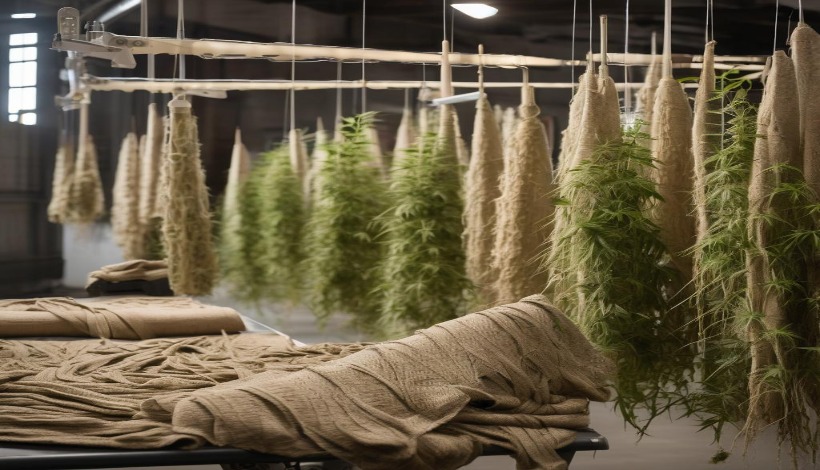
Hemp production in the textile industry offers numerous benefits, both for the environment and for the quality of the products. Here are some of the most notable ones:
- Sustainability: Hemp requires less water and pesticides compared to other crops such as cotton. Its fast growth and ability to purify soil make it a more environmentally friendly choice.
- Durability: Hemp fibers are extremely strong and resilient. This results in textile products that are more durable and have a longer lifespan, reducing the need for frequent replacements.
- Breathability: Hemp fabrics are breathable, meaning they allow air circulation and help maintain body temperature, making them comfortable to wear.
- Antimicrobial Properties: Hemp has natural properties that help resist the growth of bacteria and fungi, which can contribute to the freshness of clothing and reduce odors.
- Product Biodiversity: Hemp fibers can be used to produce a variety of textiles, from clothing to rope and paper. This offers designers and manufacturers a wide range of creative possibilities.
- Moisture Wicking: Hemp fiber has the ability to absorb moisture, making it ideal for humid and hot climates, helping to keep skin dry.
- Biodegradability: Hemp textile products are biodegradable, meaning that at the end of their lifespan, they will break down naturally, thus contributing to reduced waste compared to synthetic fibers.
- Insulation: Hemp fibers can provide excellent insulation properties, making them suitable for outerwear.
These benefits are making hemp a popular and attractive option in the textile sector, aligning with trends in sustainability and environmental responsibility.